Does showing up to the hearing matter?
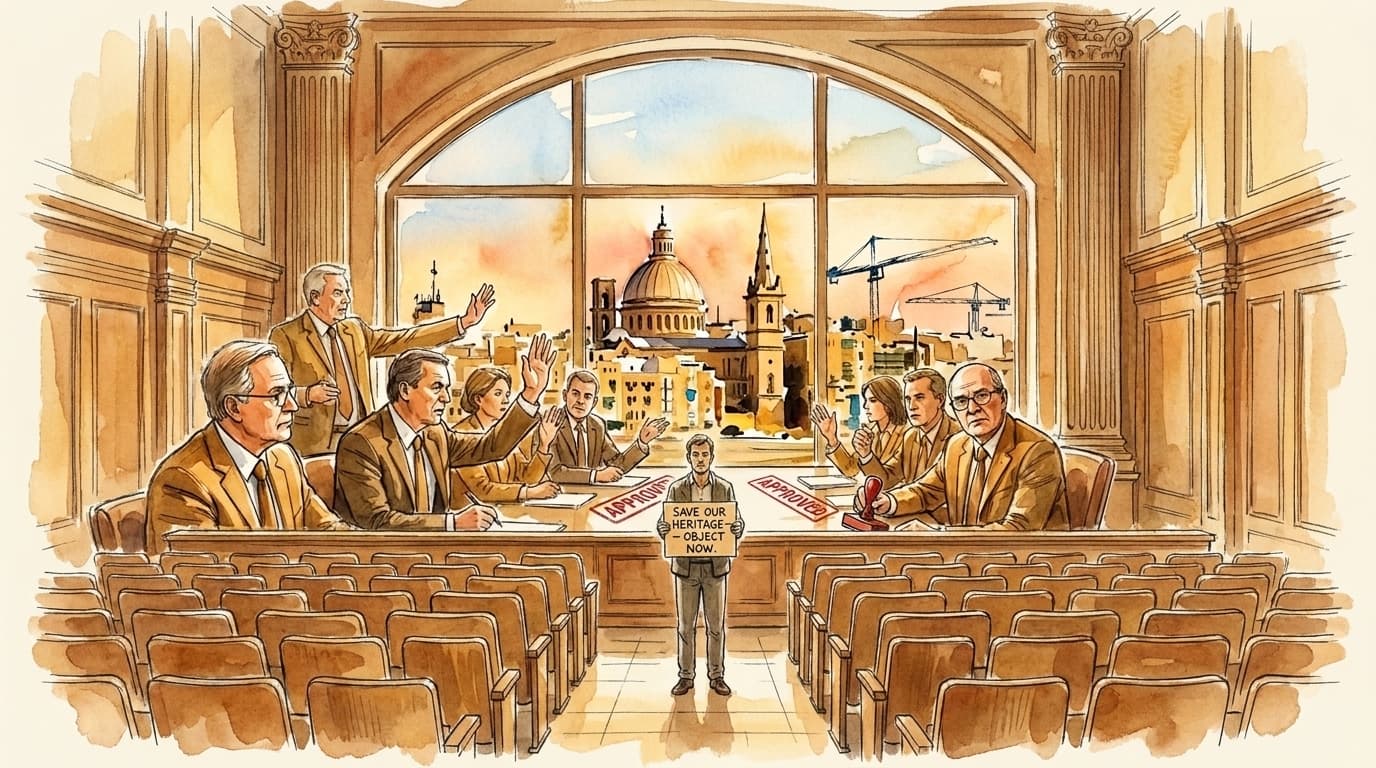
The empty room approves everything
Summary
Data from board hearings shows that who is in the room is strongly associated with the outcome — but not in the way you might expect. When objectors show up, refusal rates are higher. When the architect (perit) is present, the approval rate is slightly higher. And the most common scenario — nobody shows up — coincides with overwhelming approval. These are correlations in the recorded attendance data, not proof that attendance itself swings votes.
Attendance data is drawn from the subset of board hearings where attendance was recorded (~20,150 of 69,254 total entries). See methodology for coverage details.
Key findings
Hearing outcomes by attendance (cases with attendance data)
| Applicant | Objectors | Approved | Refused | Total | Approval rate |
|---|---|---|---|---|---|
| Absent | Absent | 4,546 | 238 | 4,784 | 95.0% |
| Present | Absent | 183 | 25 | 208 | 88.0% |
| Absent | Present | 92 | 33 | 125 | 73.6% |
| Present | Present | 78 | 31 | 109 | 71.6% |
The objector effect
When no one shows up (the most common scenario by far): 95.0% approval.
When objectors show up (regardless of applicant): approval drops to 72–74%. That's a 20+ percentage point difference.
But objectors rarely attend — only 234 out of 5,226 recorded hearings (4.5%) had objectors present.
Does the architect's presence help?
| Architect (Perit) | Approved | Refused | Total | Approval rate |
|---|---|---|---|---|
| Present | 17,037 | 869 | 17,906 | 95.1% |
| Absent | 2,053 | 188 | 2,241 | 91.6% |
When the architect attends, the approval rate is 95.1% vs 91.6% when absent — a modest 3.5-point gap. But since 89% of hearings have the architect present, it's more like: cases where the architect doesn't bother showing up are slightly more likely to be refused.
The attendance paradox
The system is designed for public participation — people can attend hearings to support or object to applications. But:
- About 92% of recorded hearings (4,784 of 5,226) have neither applicant nor objectors present
- When people do attend, it's overwhelmingly applicants (who boost approval) rather than objectors
- The cases that get public scrutiny (objectors present) have materially different outcomes — but this scrutiny is vanishingly rare
Why this matters
The planning hearing system functions as a largely unobserved process. Public participation could shift outcomes by 20+ percentage points, but almost nobody participates. This raises questions about public awareness of hearings and whether the system is designed to encourage or discourage attendance.
Media sources
- "A Dummy's Guide To Petitioning Malta's Planning Authority" — Lovin Malta. Explainer on how rare and procedurally daunting public objection is, helping explain the empty-room data in the story.
- "No public consultation launched for planning reforms to prevent land speculation" — Malta Independent, 28 July 2025. Contemporary evidence of weak consultation culture at the PA.